Panasonic 
https://player.vimeo.com/external/194121274.hd.mp4?s=be1d961292c632fbc622870aeec8c091062d1822&profile_id=174
Brand Film
Panasonic Avionics powers in-flight entertainment and communications for more than 300 airlines. Every year, over 2.7 billion passengers fly onboard Panasonic-equipped aircraft. Across fifteen years and more than fifty projects together, we've helped tell their story.
We start almost every project by mapping the content, planning up front for everything a single production can feed. Here, we saw early that Panasonic Avionics lacked strong passenger content for full omni-channel promotion, and we identified two more needs worth building for at the same time: an HR and recruiting video, and an event launch for Astrova at the Osaka factory. So we planned for all of it. One production delivered far more than a brand film and a launch video. It produced an internal launch celebration video and a set of modular assets, giving the Panasonic Avionics team the raw material to create a wide range of other assets and a deep library of footage of their own.
The Brand Film
The last brand film we made for Panasonic Avionics was in 2013. It worked, carrying the brand for more than a decade. When it was time to tell the story again, they came back to us.
The question this time was a harder one. Who is Panasonic Avionics beyond the technology, the hardware, and the services? We were engaged to answer it, to push past the usual features and benefits and focus on the human touch: the purpose, the passion, and the culture of a great company.
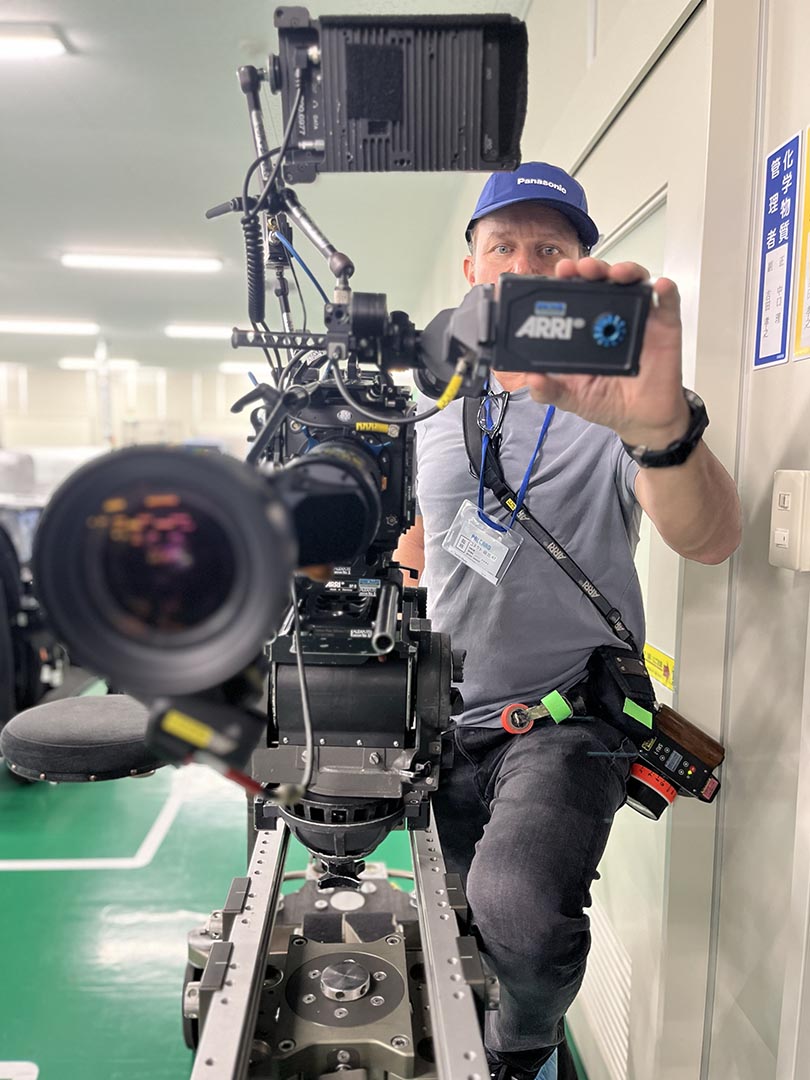
So we built the film around people, not products. A global story told through the people of Panasonic, always in motion and never passive. We followed them as they moved and worked, punctuating the piece with quick sound bites to camera, a few words each, caught as if we just happened to be there. We composed every frame like a print ad, center framed and shot at eye level, so you feel like you are in the room. And we tied the world together with match cuts, using people, place, and hardware to move seamlessly from one location to the next.
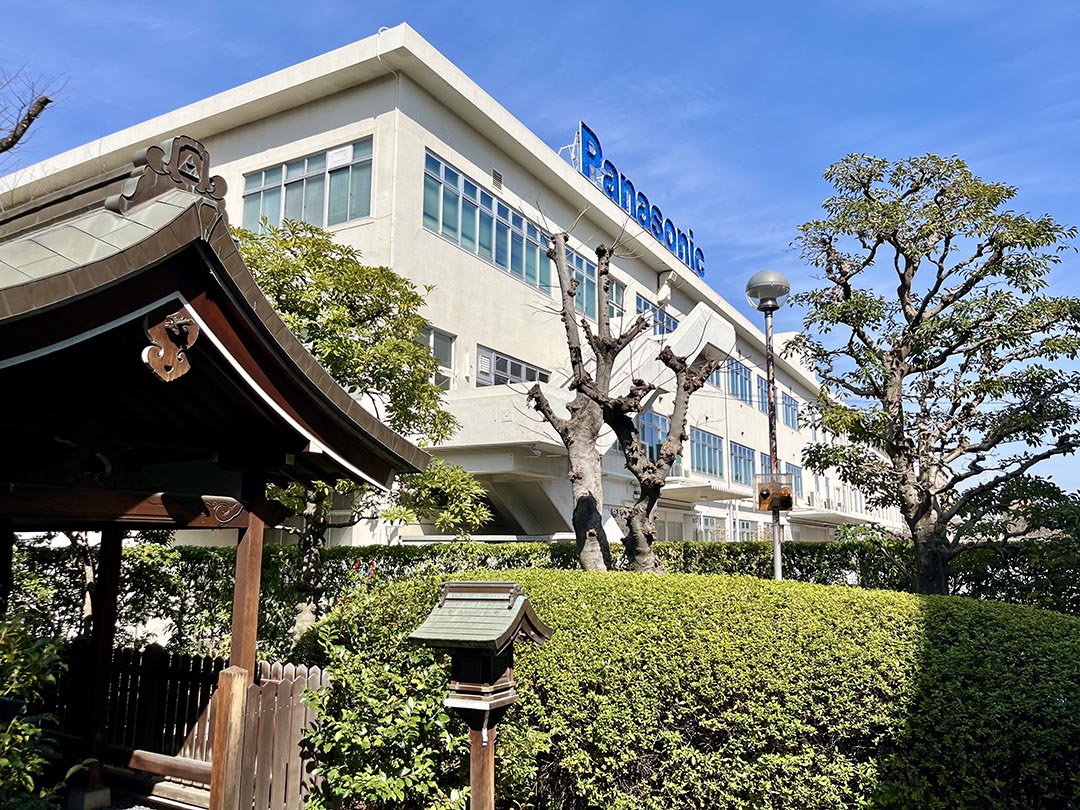
That story lived across Panasonic's global footprint, from Osaka to Brisbane, Amsterdam, London, and Lake Forest, California.
The Journey of Astrova
The Journey of Astrova
If you've ever taken to the skies and lost yourself in the entertainment options, or logged into Wi-Fi above the clouds, you've likely experienced Panasonic's in-flight entertainment and connectivity. Astrova is the next chapter: a highly anticipated platform of next-gen hardware and software, rethought from the ground up, that reshapes the passenger experience and gives airlines a way to stand apart in a crowded market.
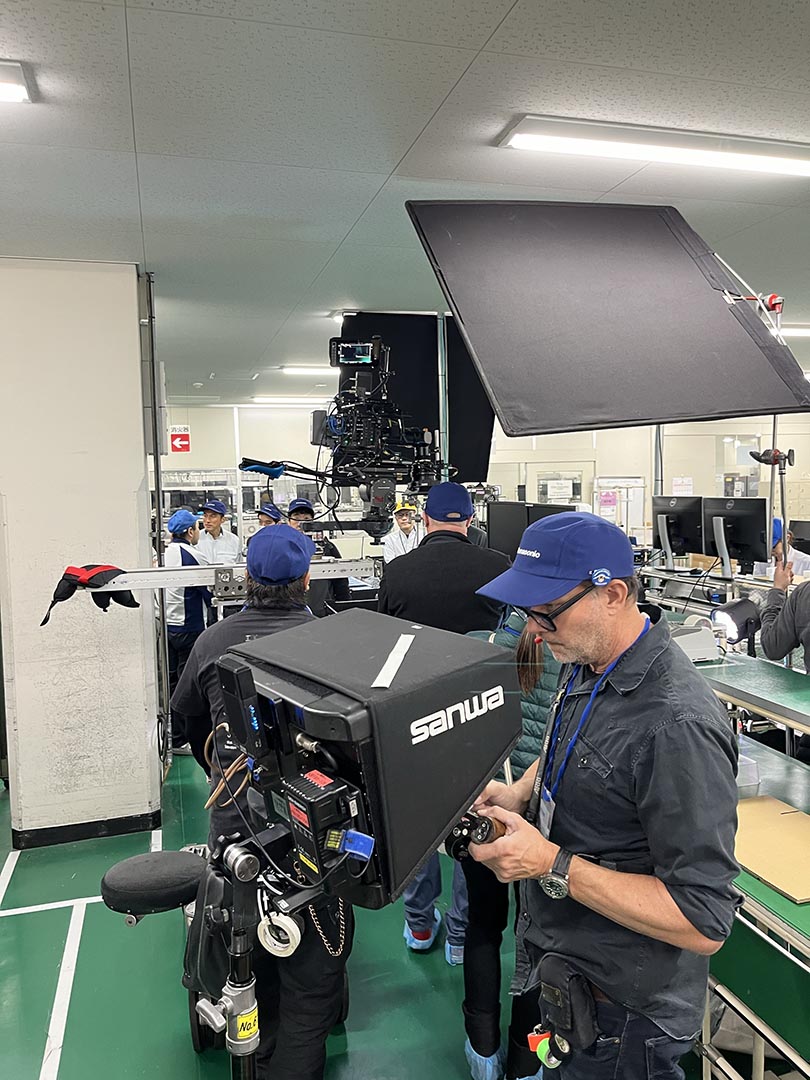
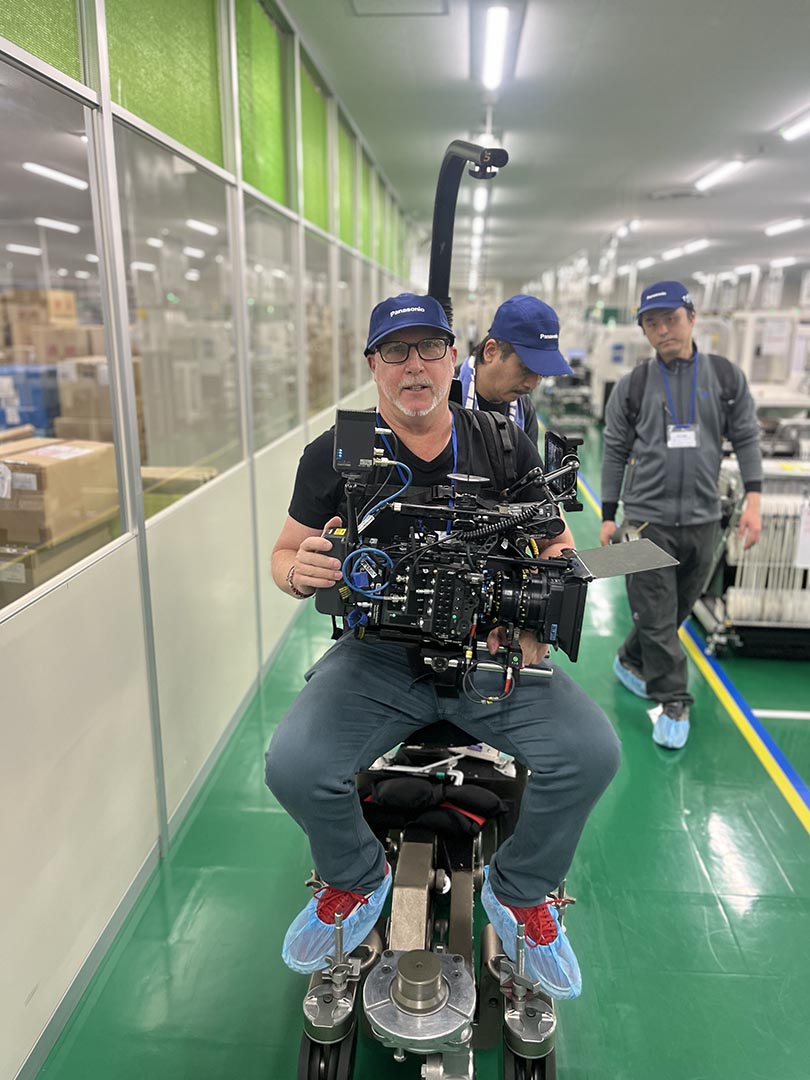
We didn't want a features reel. We wanted the journey, from the first vision to the shipping dock, told by the people who made it real. So we built the story around the teams behind Astrova, from product and design to engineering, the manufacturing floor, and QC. Not the executives. The unsung heroes. By the time we filmed, Astrova was no longer a promise. We followed the actual hardware as it was built, tested, and shipped, the physical proof of a plan years in the making.
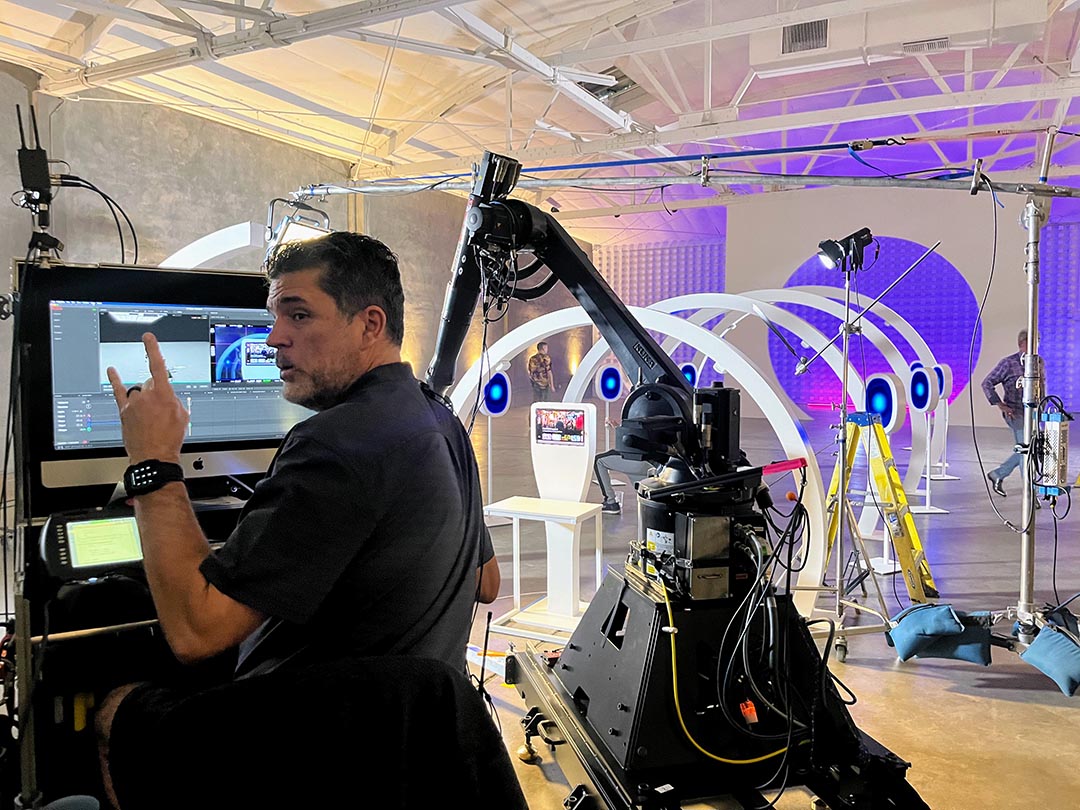
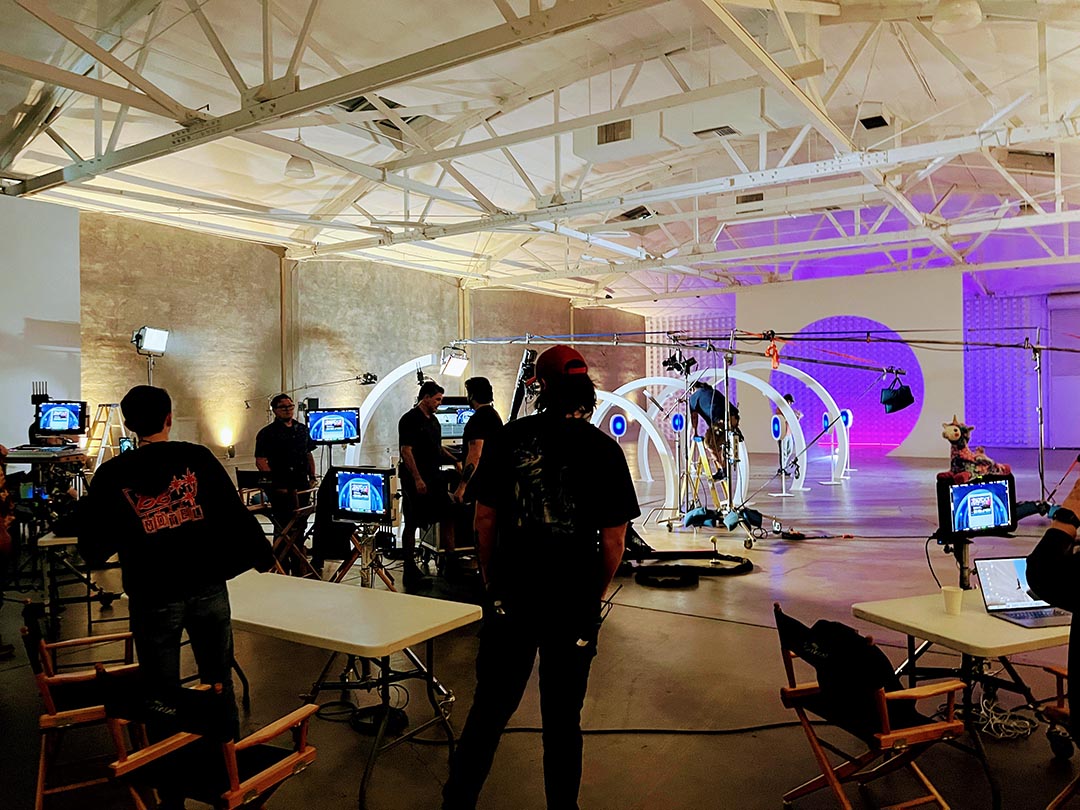
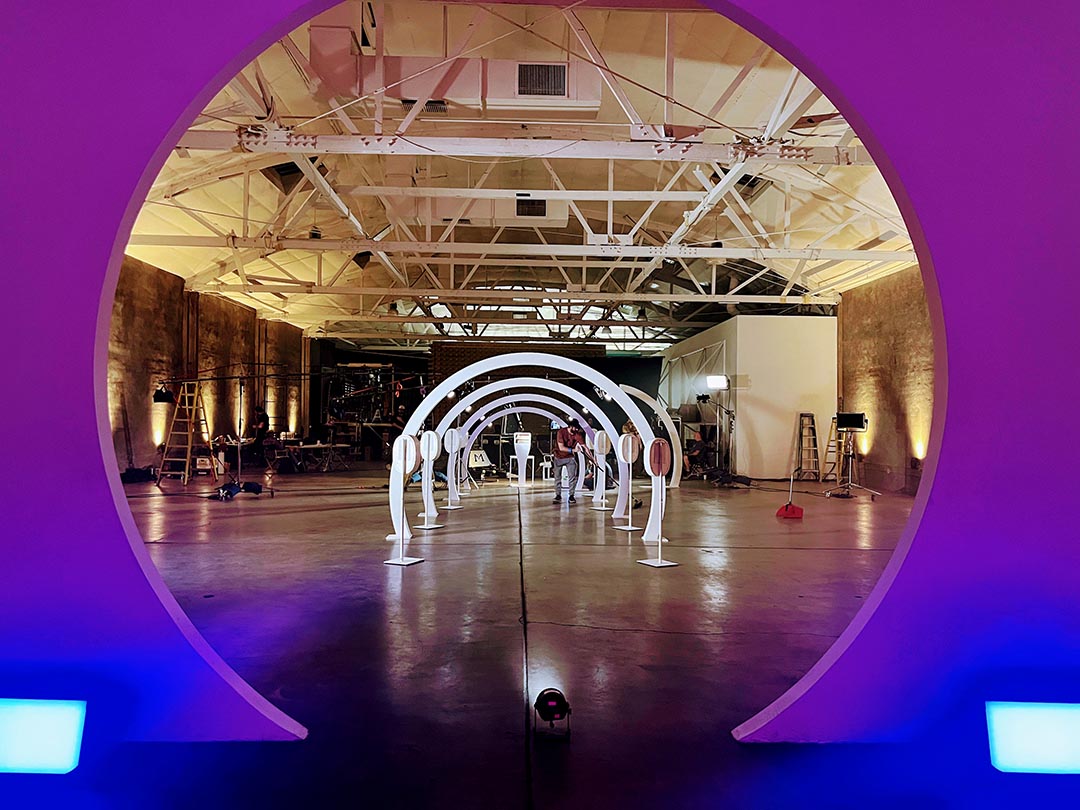
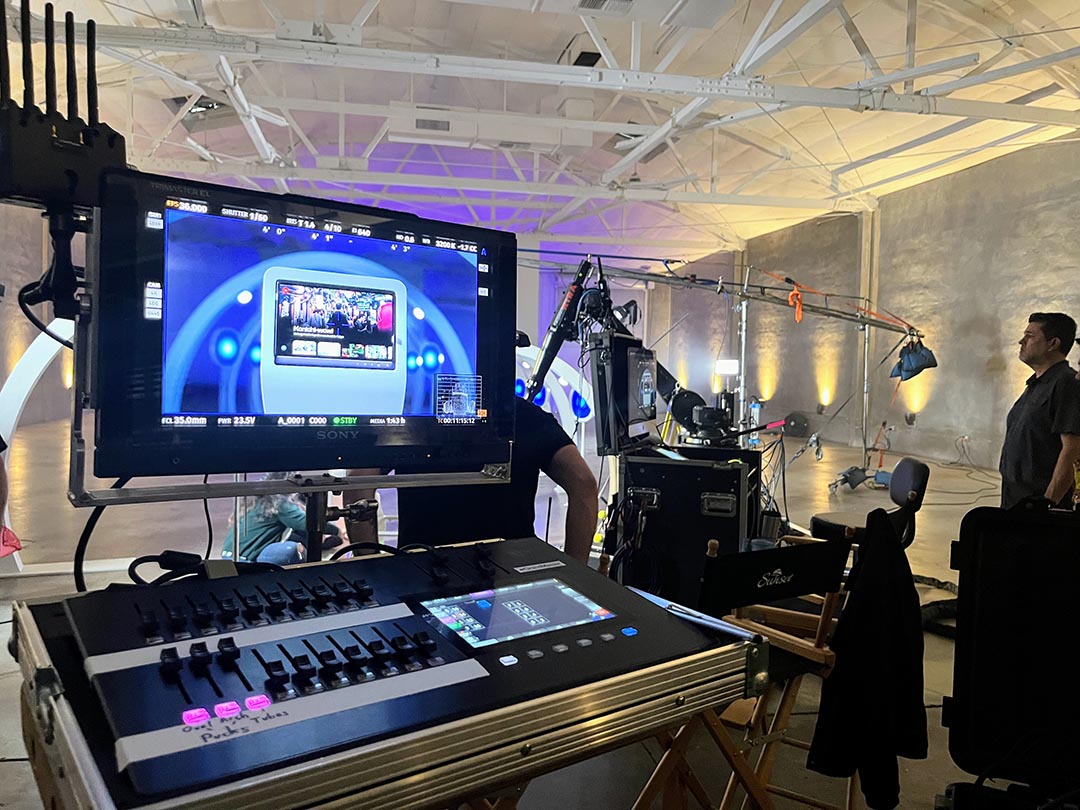
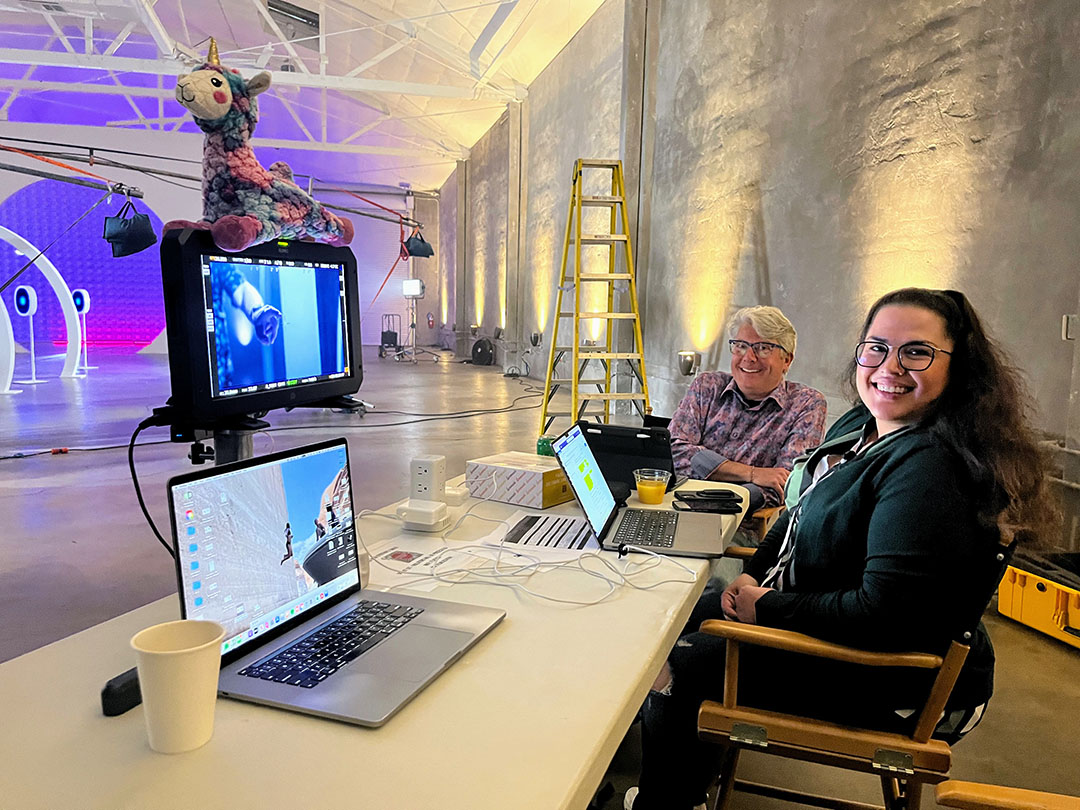
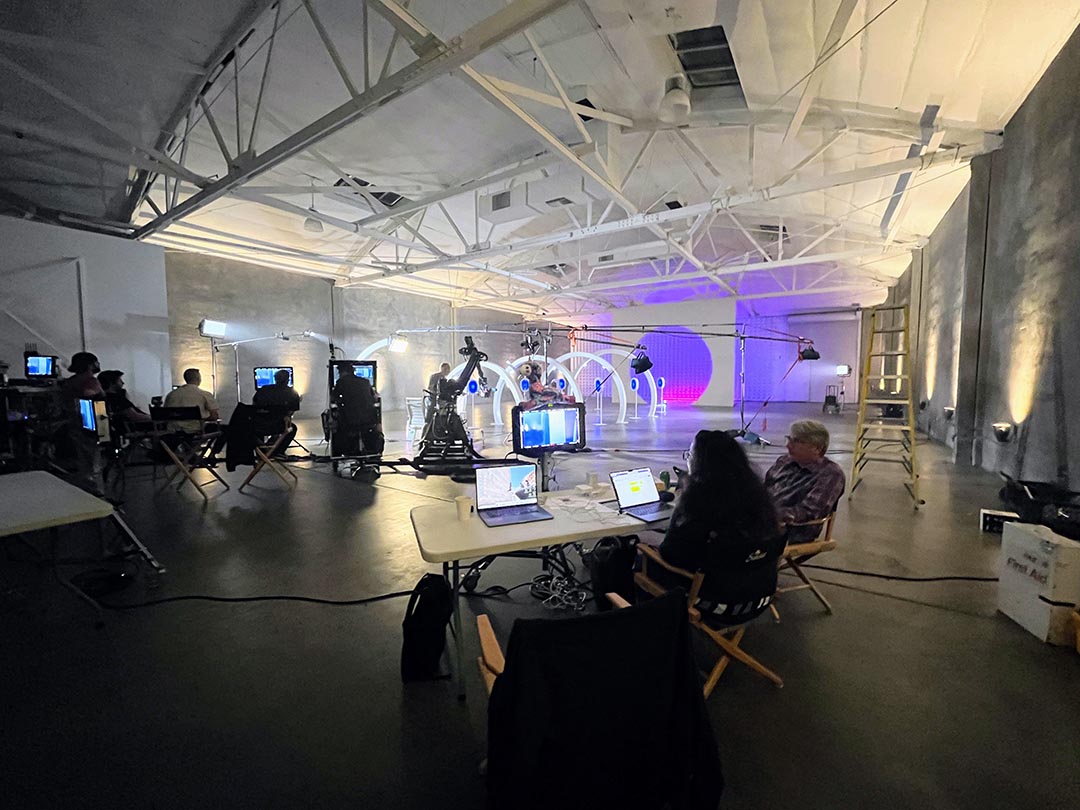
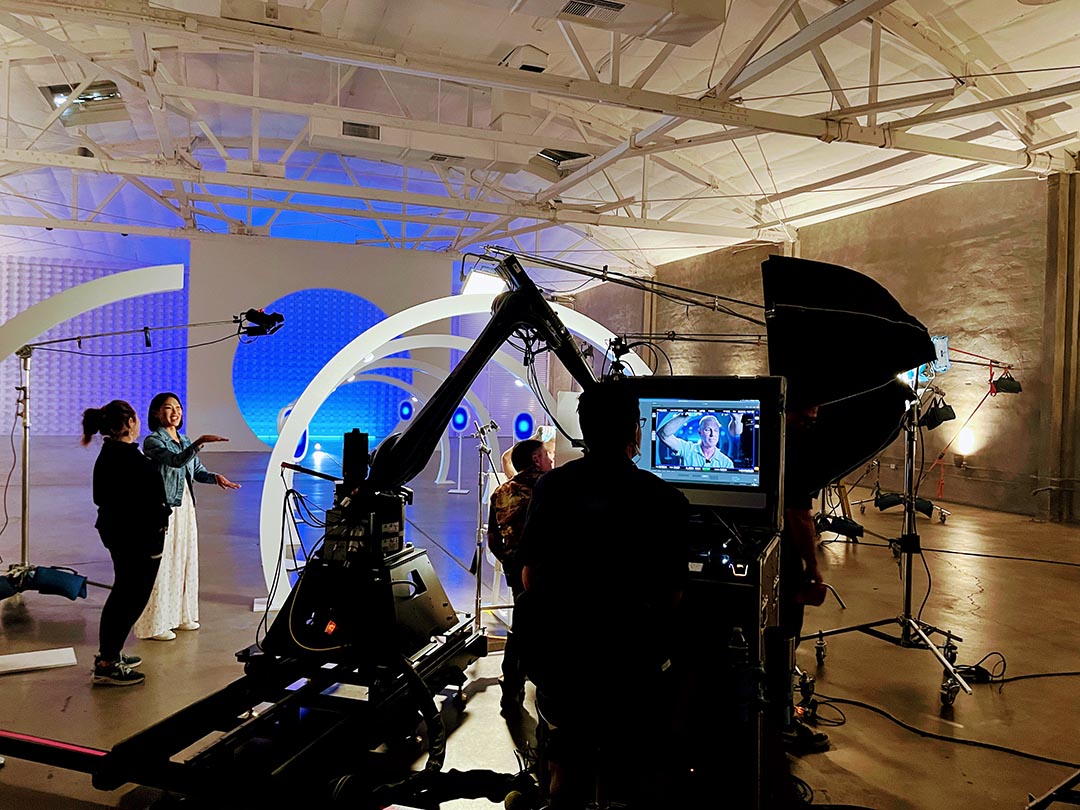
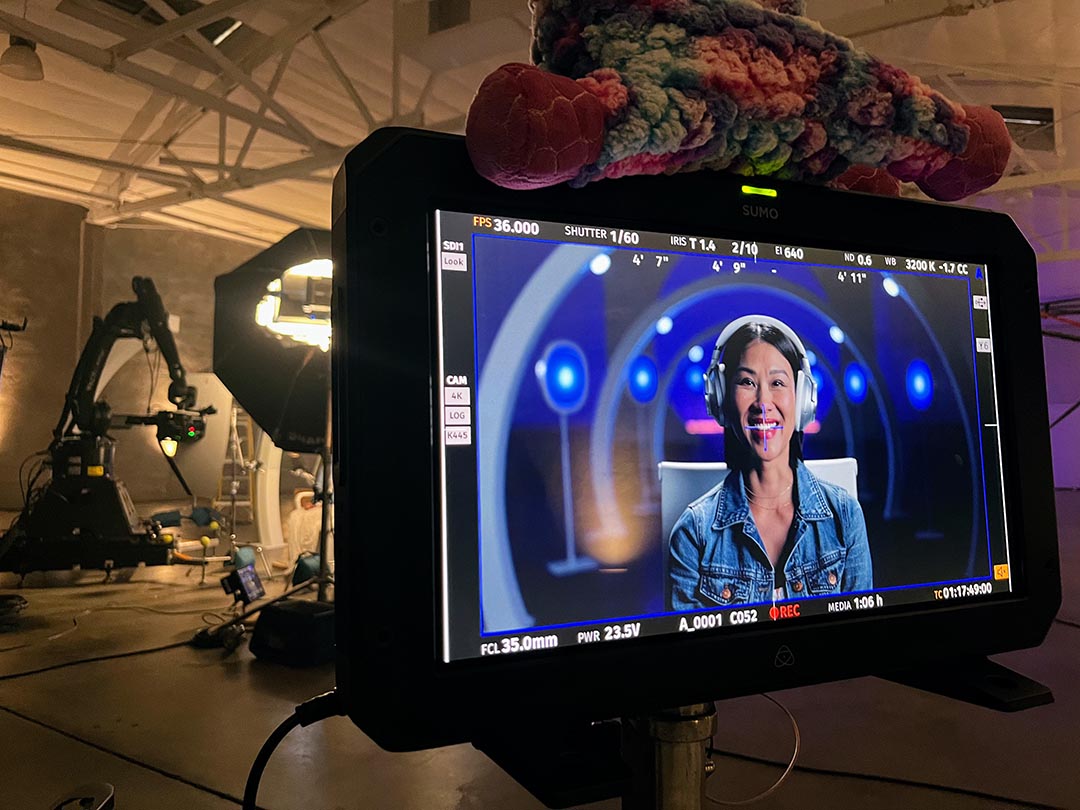
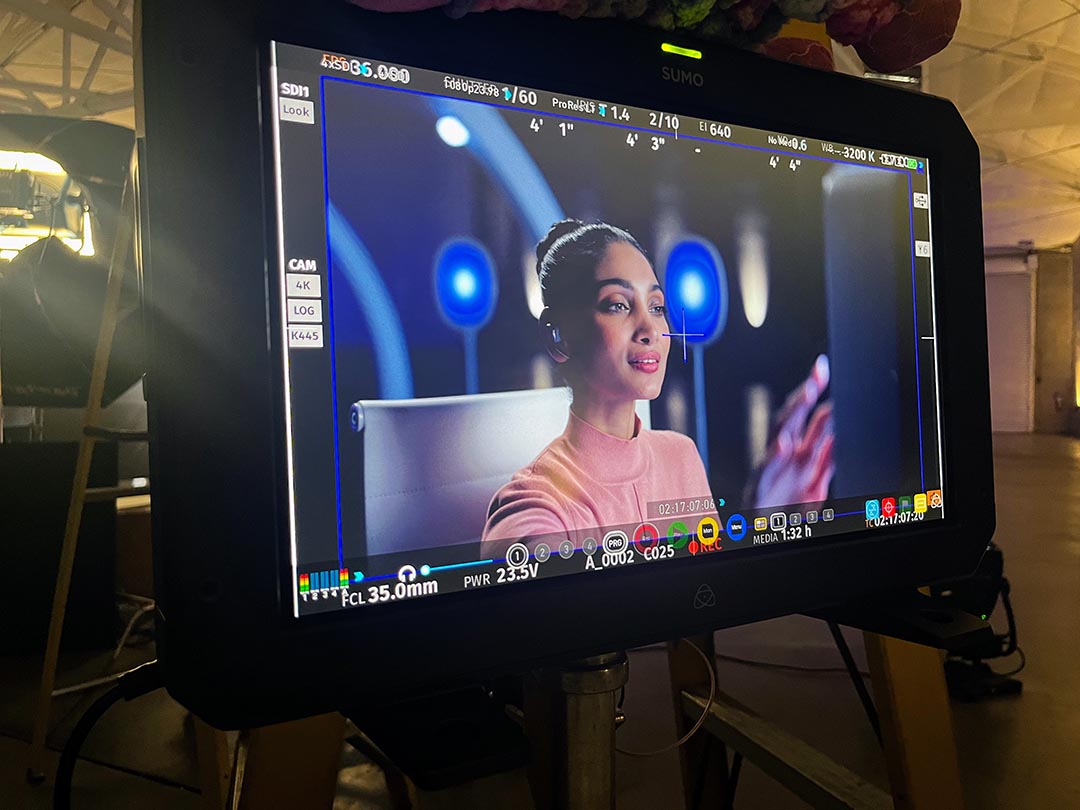
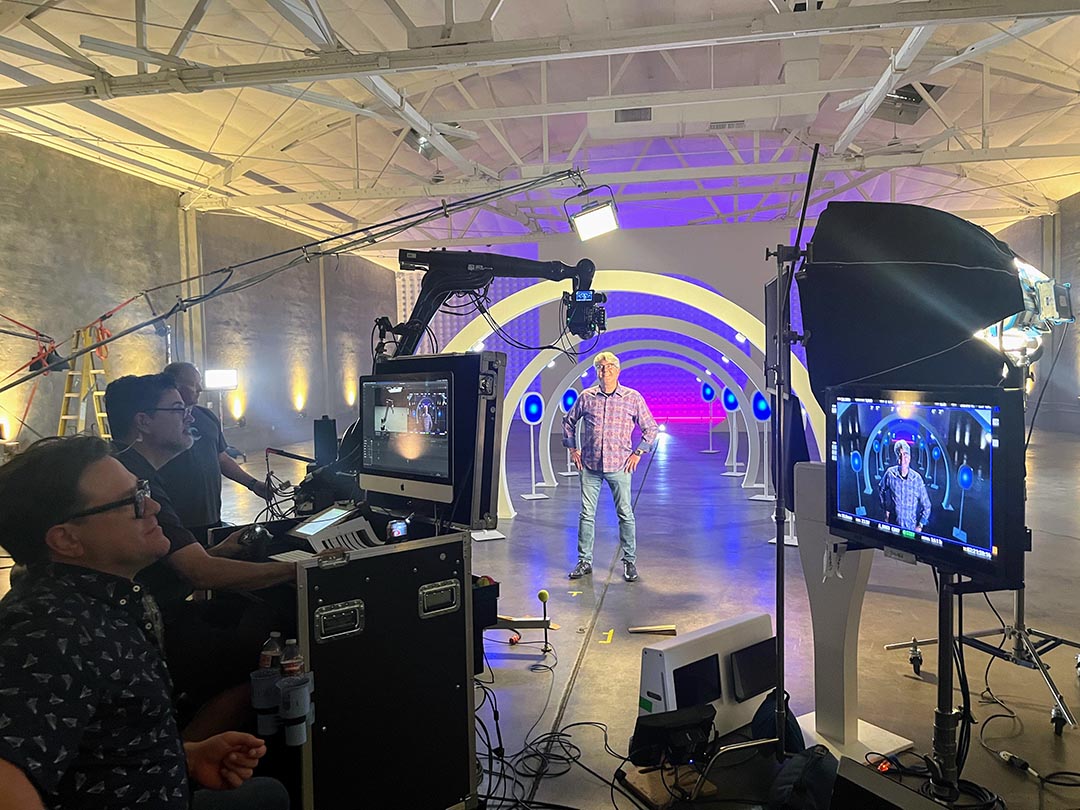
The payoff was the passenger experience, and that is nearly impossible to capture on a real aircraft. So we designed and built a high concept aircraft fuselage on a stage in Los Angeles to bring it to life. There we staged the joyous passenger moments, made to surprise and delight, capturing the connection between passenger and device on a Kira2 motion control arm that moved with precision from person to product and cut cleanly from one experience to the next. We kept the focus on a single passenger at a time, because when the entertainment is this good, everything else falls away.
We delivered an eight-minute film to explore the full narrative, a tighter three-minute version to introduce the idea, an animated teaser for the launch, and a collection of stills. Astrova premiered at the Aircraft Interiors Expo in Munich to much fanfare.
The Vision for Astrova
The Vision for Astrova
Rewind a few years, to before any of this was real. Astrova began under new leadership, with the company setting out to redefine the passenger experience of the future. It was an entirely new platform, reimagined from the ground up, and at this point it was still exactly that: a vision. Long before the shipping dock, Panasonic Avionics brought us in to introduce that vision to the world, before the product physically existed.
We built a docu-style film around four of their executives, who introduce Astrova and open up the thinking behind it: why it was created, what it means for passengers, and what it gives the airlines. The interviews are stylized and cinematic, the interviewees relaxed and sleeves rolled up, conversational and confident. To hold a true eyeline to camera, our director ran each interview from off camera through a teleprompter that mapped his image over the lens, so every subject speaks straight to the viewer. And because the hardware did not yet exist, we brought Astrova to life in Cinema 4D, animating the platform so audiences could see the vision long before they could touch it.
Another great collaboration in the books.